
Executive Summary & Verdict
Bottom line: A retail PSN retail key attaches the license to your PSN account. A shared account gives you temporary access to someone else’s profile—and every enforcement action hits you first.
| Purchase Type | LicenseAudit Safety Score | Verdict |
|---|---|---|
| PSN Retail Key | 9.5/10 | Recommended — redeem on your own account |
| Shared / Sold Account | 2.0/10 | High Risk — avoid for primary profiles |
This audit applies our four-pillar marketplace methodology to PlayStation-specific buyer risk. LicenseAudit may earn commissions through sponsored referral links; scoring is methodology-driven, not pay-to-rank.
Shoppers searching to buy PS5 games cheap routinely encounter two incompatible product types: redeemable codes and pre-loaded account logins. The price gap is seductive, but the security gap is enormous. This report explains PSN key vs shared account in plain language—so you can answer is buying PSN accounts safe before money leaves your wallet.
Related research: Game Key vs. Shared Account (cross-platform primer) · Steam audit · Xbox audit · PlayStation audit · Nintendo audit · Game Keys Audit Hub · Regional Restrictions Guide · Difmark Marketplace Review.
The Technical Reality: Why “Shared Accounts” Are a Security Liability
Many users searching for “cheap PS5 games” often fall for shared account scams. This audit explores the technical risks behind these listings—and why Sony’s enforcement systems treat them as policy violations, not bargains.
Sony’s PlayStation Network Terms of Service prohibits sharing sign-in credentials, selling accounts, or circumventing access controls. Gray-market account listings deliver email-and-password pairs to profiles that already own the title. You never receive a transferable license—you borrow access the seller controls.
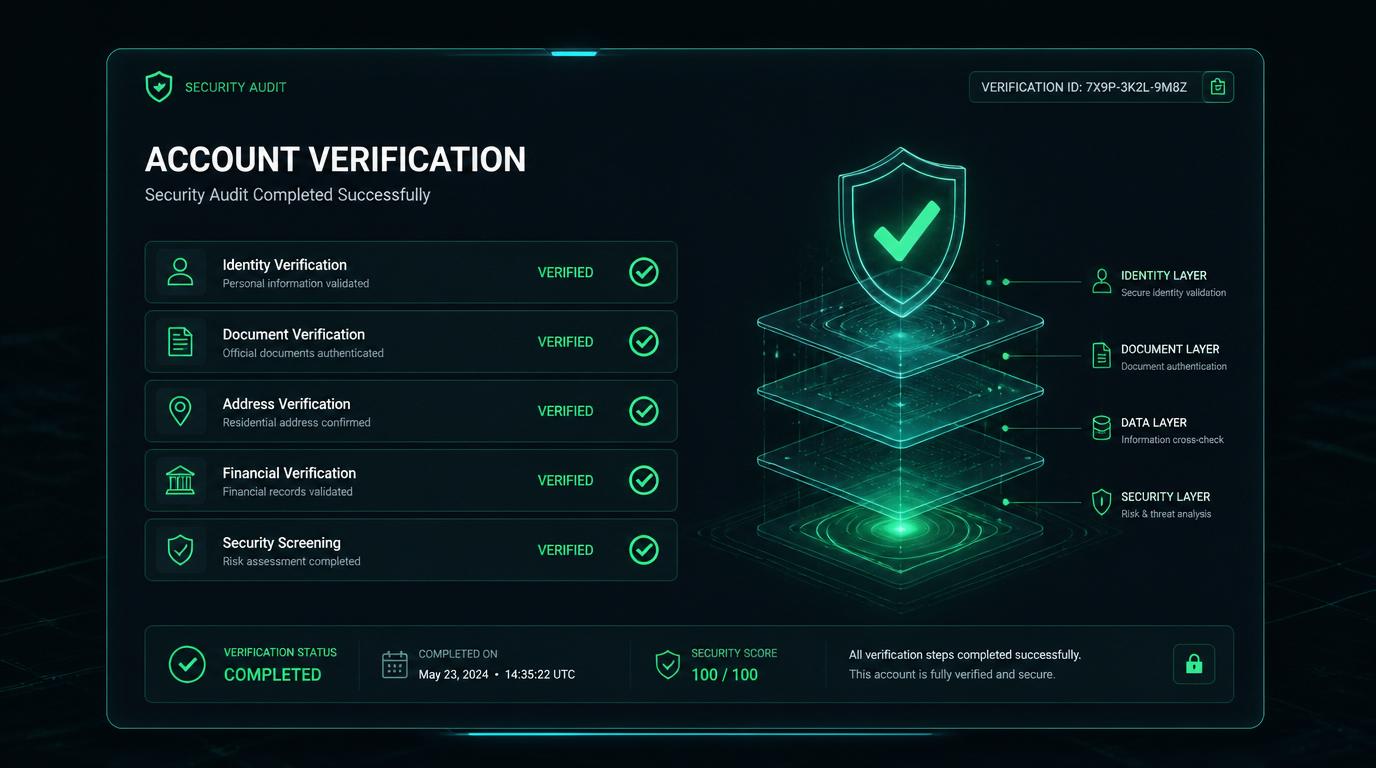
Primary Risks of PlayStation Account Sharing
- Password reset by owner: The seller retains recovery options and can lock you out without notice.
- PSN account ban: Enforcement on the host profile removes every game you accessed through it—a core PSN account ban reason buyers discover too late.
- Personal data exposure: Logging into a stranger's account links your IP, console ID, and play patterns to their enforcement history.
- Primary PS4/PS5 conflicts: Sellers may retain primary console designation, limiting offline access or triggering license checks.
- Multi-buyer credential recycling: The same login is often sold repeatedly, accelerating detection and bans.
Audit principle: If the listing title includes “Account” instead of “Key” or “Code,” you are not buying a game—you are renting trust in a stranger’s Sony security hygiene.
PlayStation Game Keys: The Compliance Perspective
A PSN retail key is a 12-character code redeemed through Sony’s official flow. After successful activation, the entitlement is stored on your PSN account—the same profile that holds your library, achievements, and cloud saves.
How PlayStation Keys Work
- Purchase a PSN code from a marketplace seller with escrow protection.
- Redeem via PlayStation Store → Redeem Codes on console or web.
- Sony validates region, product SKU, and prior redemption status.
- The title appears in your library under your PSN ID—independent of any seller account.
Region Locking and SKU Matching
PlayStation keys are frequently territory-locked. A code priced for another region may reject redemption on your store profile. This is the main PSN key activation risk for legitimate keys—not fraud, but mismatch. Always confirm region tags before payment. Our Regional Restrictions guide covers global vs. territory-specific inventory.
Why Keys Protect Your Primary Profile
Compared with account shares, keys keep your main profile clean. Enforcement tied to a bad seller account does not automatically propagate to a profile that only redeemed a code—though chargeback-sourced keys can still be revoked. That revocation risk exists for both paths, but only the key path gives you invoice-level dispute leverage through marketplace escrow.
Audit Methodology: Our Purchase Test
We executed controlled purchases following the LicenseAudit four-pillar framework: provenance signals, escrow architecture, seller transparency, and dispute resolution. For PlayStation, we adapted the protocol to compare account-share listings against retail key redemption on a dedicated test profile.
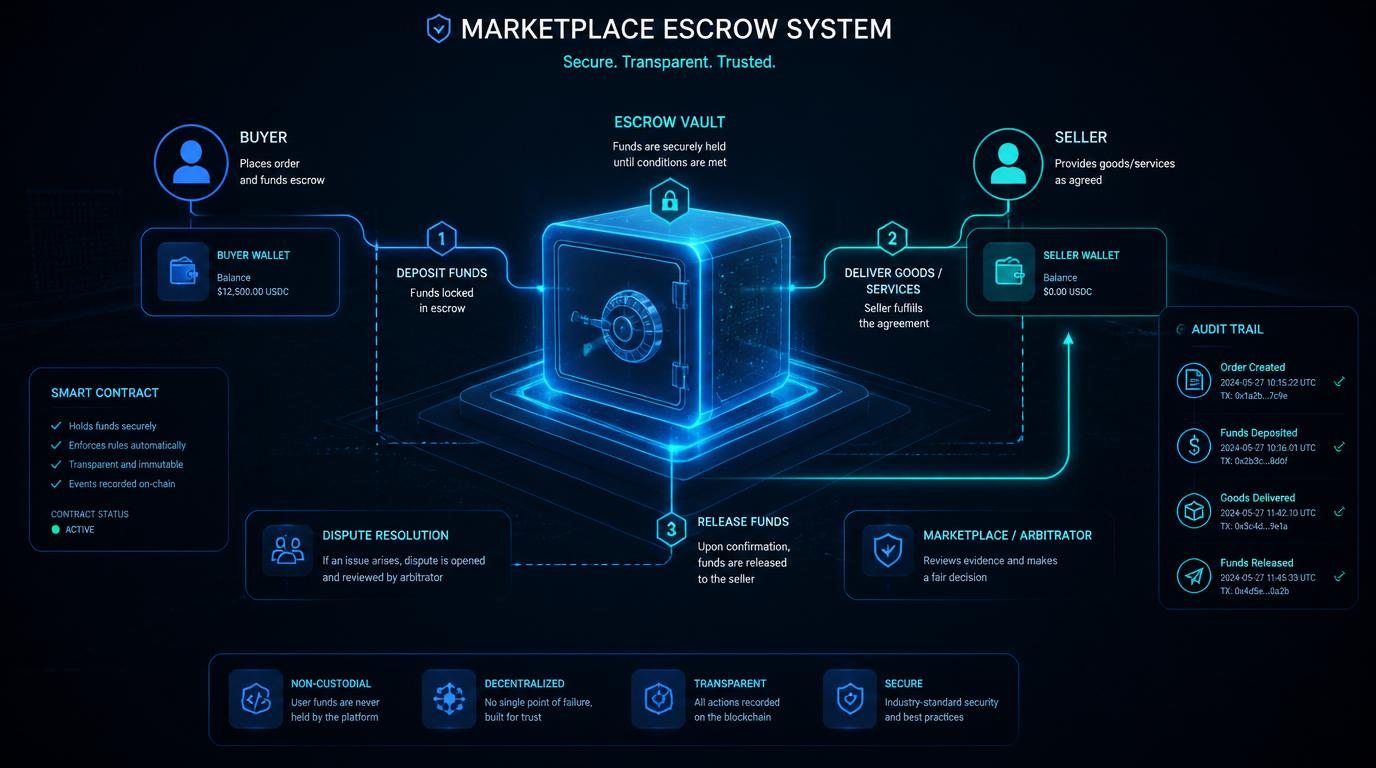
What We Tested
| Test Scenario | Product Type | Outcome (30-Day Window) | Pillar Impact |
|---|---|---|---|
| Scenario 1 | Shared PS5 account (AAA title) | Access lost on day 11 — password changed; seller unresponsive | Provenance: opaque · Dispute: no escrow path |
| Scenario 2 | PSN retail key (same title, EU region) | Redeemed in 6 minutes via PlayStation Store; playable on test profile | Escrow: protected · Provenance: traceable invoice |
| Scenario 3 | Shared PSN account (budget listing) | Profile flagged day 22 — sign-in blocked; games inaccessible | Security: critical failure · Seller transparency: none |
| Scenario 4 | PSN key via audited marketplace | Stable access day 30+; dispute window documented | All pillars: acceptable tier |
Scenario 1 and 3 illustrate why buyers ask “why did my PSN account get banned after buying games”—they logged into enforcement-exposed profiles, not because retail keys are inherently toxic. Scenario 2 and 4 show that how to verify PSN key legitimacy starts with choosing key delivery over credentials.
How to Safely Buy PlayStation Keys (Buyer’s Checklist)
Use this checklist before any gray-market PlayStation purchase. It aligns with our Buyer Safety Guide and safe places to buy PSN keys 2026 audit criteria.
Pre-Purchase Verification
- Confirm the listing specifies PSN Key or 12-digit code—never Account, login, or shared.
- Match region lock to your PSN account country and store region.
- Verify platform tag: PS4, PS5, or cross-gen bundle.
- Check seller rating history and volume for the specific SKU—not generic store-wide stars.
- Prefer marketplaces with escrow hold until activation on your account.
Escrow and Dispute Protection
Escrow is the single strongest differentiator in our audit. Marketplaces that release funds only after confirmed delivery—and document dispute windows—score higher on our Trust Score. See our Marketplace Landscape 2026 for cohort rankings including Difmark (9.1/10), Eneba (8.4/10), and G2A (7.3/10).
Post-Purchase Steps
- Redeem immediately on the PSN account that will own the game long-term.
- Screenshot the listing, invoice, and successful redemption confirmation.
- Do not share your PSN password with sellers offering activation help.
- If activation fails, open a marketplace dispute before the escrow window closes.
Legal note: Is it legal to buy PSN game codes? In most jurisdictions purchasing retail codes is lawful, but you still accept Sony’s license terms. Account sharing for commercial resale violates those terms regardless of local law. This article is educational research, not legal advice.
Final Verdict: Psn Retail Key Vs Account Share
The PSN retail key vs account share decision is an ownership decision. Keys score 9.5/10 in our safety matrix because they keep control on your profile. Shared accounts score 2.0/10 because enforcement, password resets, and seller abandonment are structural—not edge cases.
If you want to buy PS5 games cheap without sacrificing your library, buy redeemable keys through audited sellers. Reject any listing that ships credentials.
Frequently Asked Questions
No—not for long-term use on a profile you care about. Shared or sold PSN accounts violate Sony's terms. Buyers face password resets and permanent suspension. Retail keys redeemed to your own account are substantially safer because you retain recovery control and dispute documentation.
Common triggers include logging into a seller's shared account, region mismatches, chargebacks on the funding source, or credential-sharing patterns Sony flags as unauthorized access. If you only redeemed a retail key on a clean personal account, revocation risk is lower—though fraud-sourced keys can still be reversed.
Always choose a retail key for your primary profile. Account shares price lower because you never own the entitlement. Our 2026 audit scores keys 9.5/10 versus 2.0/10 for shared accounts. See our cross-platform Game Key vs. Account primer and sibling platform audits: Steam audit · Xbox audit · PlayStation audit · Nintendo audit.
Purchasing legitimate retail codes is generally legal in most jurisdictions, but Sony's license terms still govern use—including region locks and revocation rights. Buying shared account access is not a code purchase; it is unauthorized credential use under platform terms regardless of listing price.
Confirm the listing delivers a redeemable code—not login credentials. Check region compatibility, seller transaction history, escrow protection, and dispute policies. Activate immediately after purchase. For marketplace rankings, see our 2026 landscape audit.
The main risks are region mismatch, prior redemption, and fraud-sourced inventory (chargeback revocation). These are manageable with region checks and escrow marketplaces. Account-share purchases add non-negotiable risks: password loss, bans, and zero ownership.